May 26, 2026
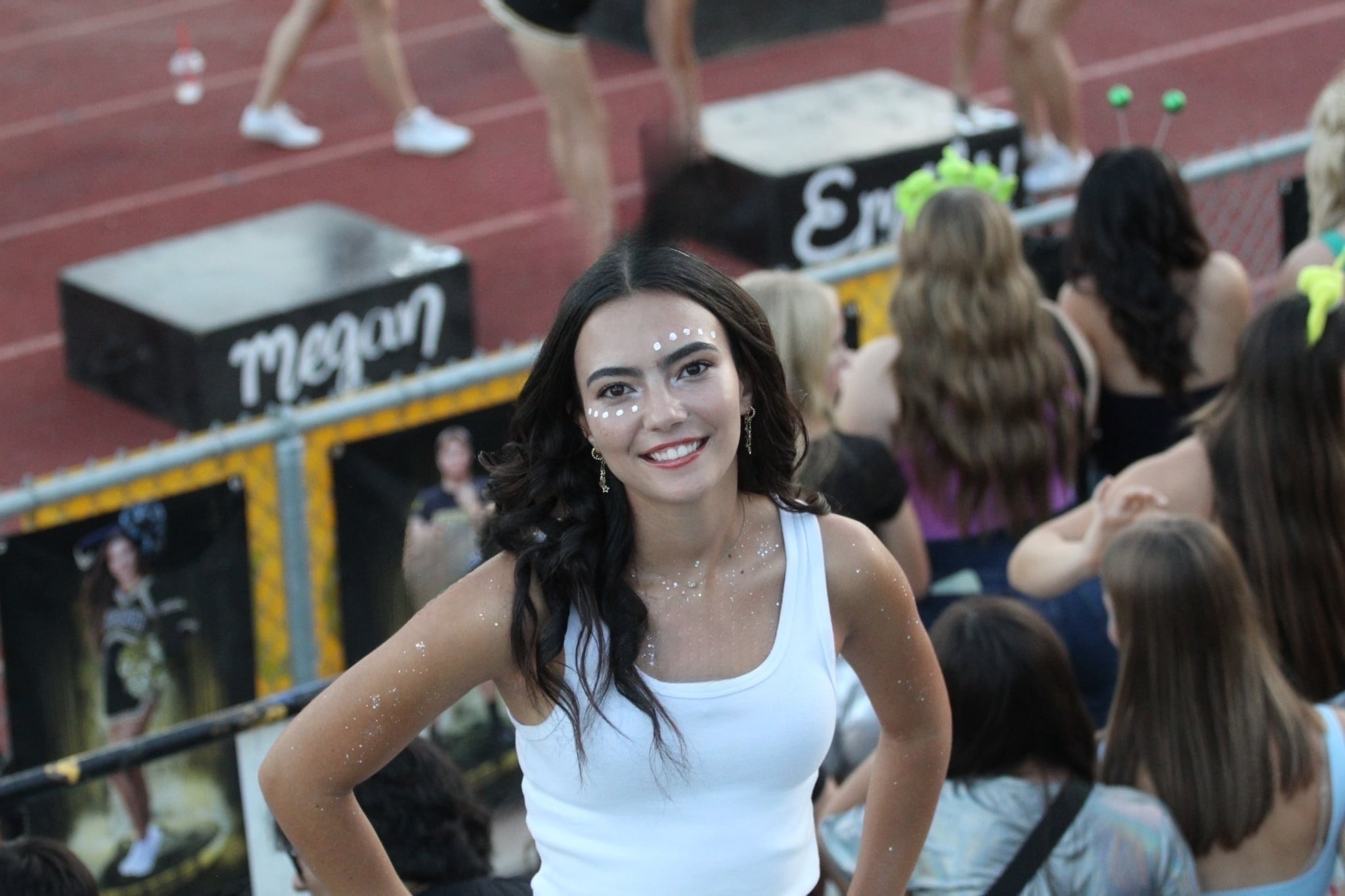
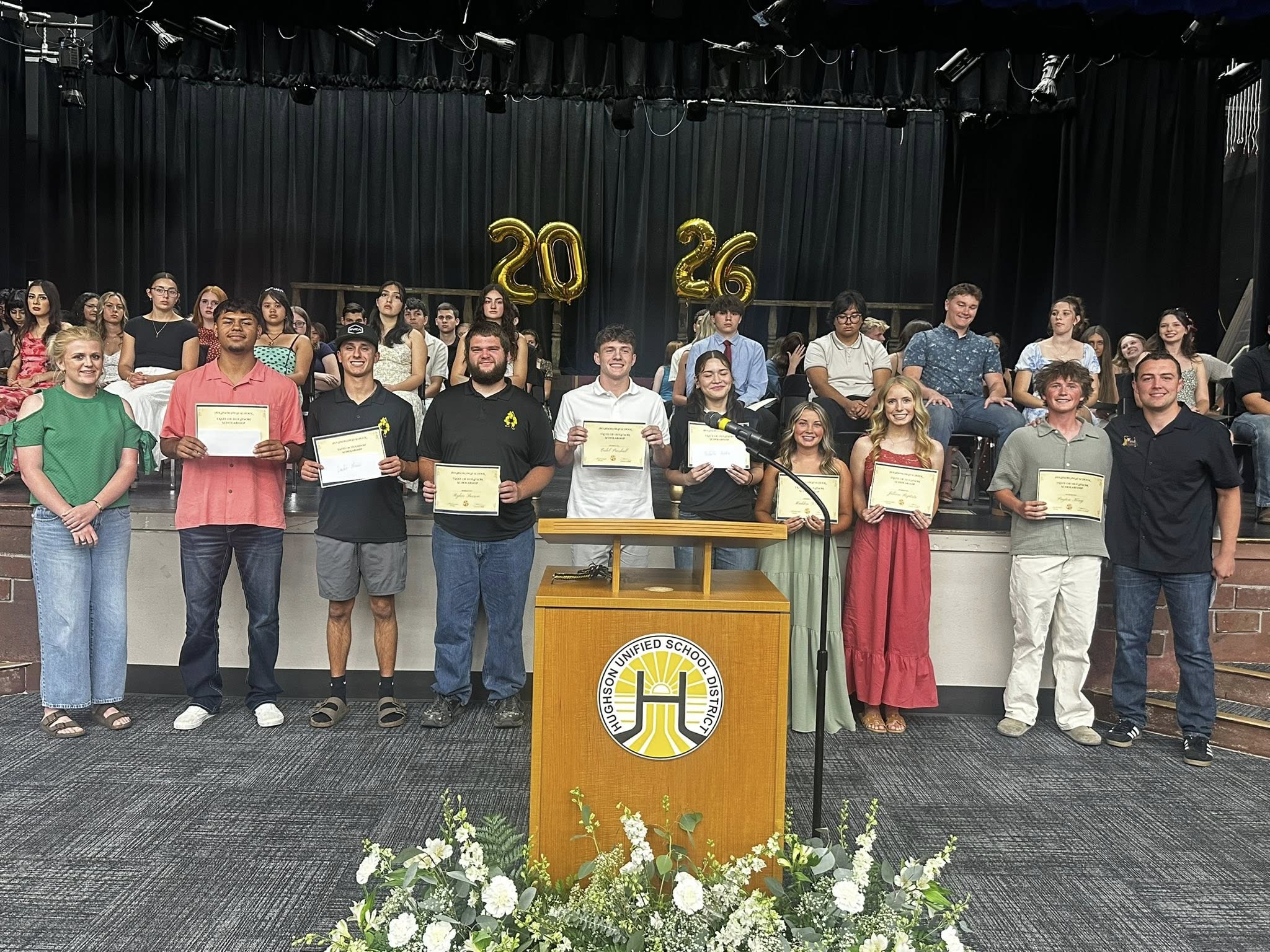
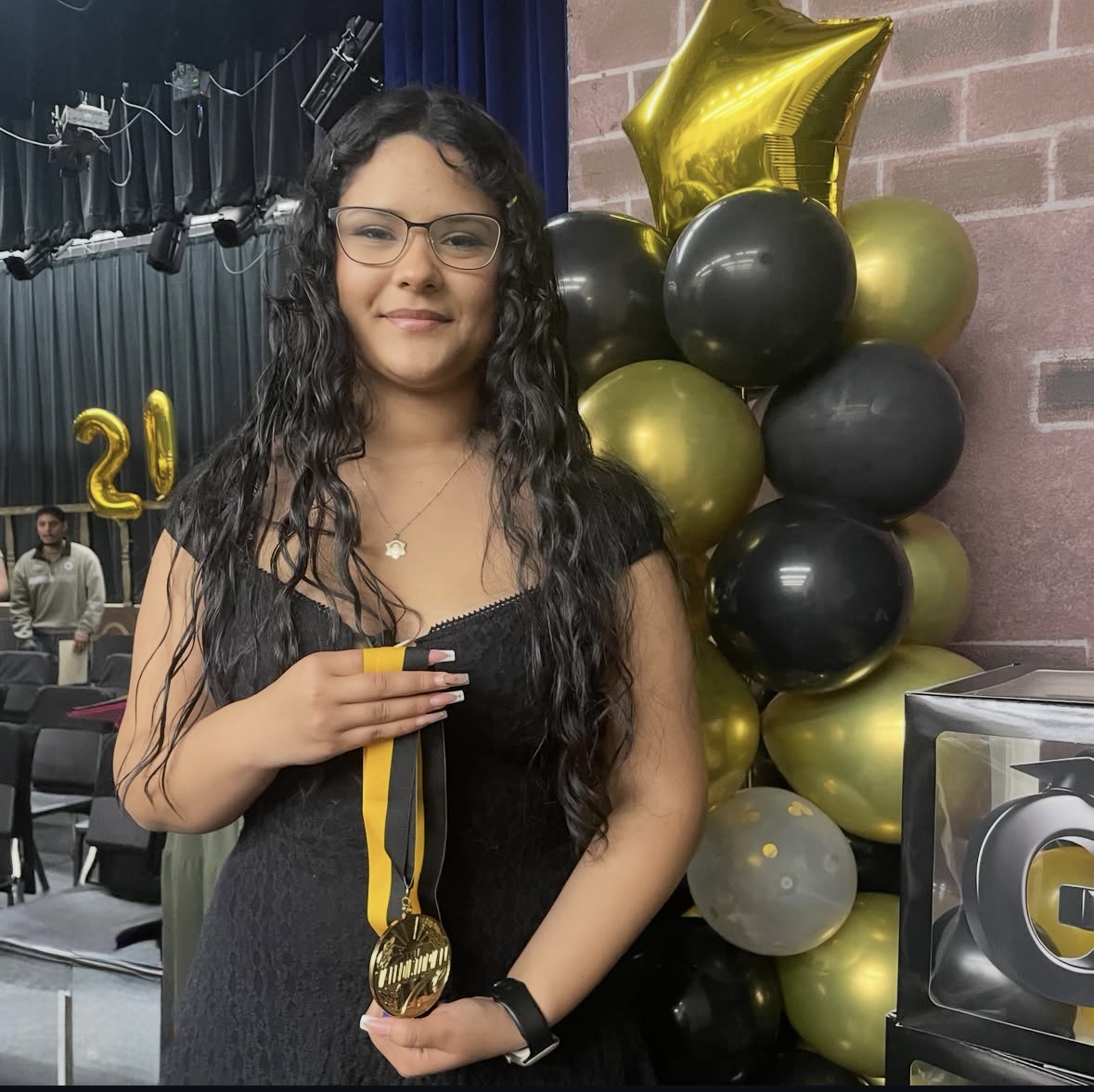
Hughson High School senior Samantha Valdivia has been named this year’s Valedictorian, and Kevin Ochoa Mendoza and Elizabeth Becchetti have been named Salutatorian. To celebrate their accomplishments, we asked Samantha, Kevin, and Elizabeth for their advice, study habits, favorite teachers and more.
What are the key things other students should know about your academic success, and how you achieved it?
Samantha: A lot of my academic success came from persistence and learning how to rely on myself. I procrastinated more than people would probably expect from a valedictorian, but I always made sure I got things done and held myself to high standards. I spent a lot of time teaching myself the material, staying up late to finish assignments, and pushing myself even when I felt overwhelmed. Being a first-generation student also motivated me to work hard and create opportunities for myself.
Kevin: The key thing other students should know is that it is possible. You just have to take action and do the work consistently without procrastination.
Elizabeth: My academic success wasn't something I went after; it was something that happened as a result of my choosing classes that interested me. True success shouldn't be the goal in itself; it should be a result of things you enjoy.
How many Advanced Placement classes did you take?
Samantha: I took seven AP classes throughout high school: AP U.S. History, AP Literature, AP Precalculus, AP Biology, AP Government, AP Calculus, and AP Language and Composition.
Kevin: I took 5 Advanced Placement classes in high school.
Elizabeth: I took 6 AP classes. Shoutout to AP Art History (I tied for the second person in 17 years to earn a 5/5 on the AP test).
What kinds of teams, clubs, organizations or employment have been part of your life during high school?
Samantha: I was not heavily involved in clubs or sports during high school, but I spent a lot of my time focused on academics. I also babysat and took on small jobs here and there to earn money, which taught me responsibility and independence.
Kevin: During high school, I was involved in numerous different clubs and organizations, including the Hispanic Youth Leadership Council and LIFE Group. I also work in agriculture at J&J Farms while attending high school.
Elizabeth: I've done the Academic Decathlon for four years, as well as FFA. I've also been an altar server at St. Anthony's Catholic Church before and during high school.
What was your routine before and after school? How much time did you spend studying or doing homework?
Samantha: Before school, I spent as little time as I could getting ready for the day. I barely got to school on time a lot. After school, I did not spend an excessive amount of time on homework most days. I procrastinated a lot, so I often worked in shorter bursts rather than following a strict study routine. The one class that consistently took hours outside of school was AP U.S. History during my junior year because of the workload and reading. Other than that, I mostly focused on staying caught up and getting things done when they needed to be completed.
Kevin: My routine before school was just getting up early and getting ready for the school day. After school, consisted of doing my homework and completing all work on time before deadlines. The time I spent doing homework or studying was around 2-3 hours per day.
Elizabeth: Before school, I would cherish my sleep for as long as I could. After, I did homework for a few hours. Some days I had no homework, some days I had a lot. Some classes, like Academic Decathlon and AP US History (APUSH), are very homework-heavy, while classes like Plant Science have very little.
How did you balance these things? What advice do you have for other busy students?
Samantha: I balanced everything by learning to prioritize what mattered most in the moment. Even though I procrastinated, I learned how to work well under pressure and stay determined when things became stressful. My advice to other students is not to compare themselves to other people’s routines or study habits. Success does not always look perfect. What matters most is consistency, resilience, and believing you are capable of more than you think.
Kevin: I balanced these things by dedicating time to school-related activities, but also personal things, such as working out to avoid burning out. Some advice I have for other busy students is to have time dedicated to certain things throughout your day in order to avoid distractions and to also give it your best effort, and make sure to complete assignments before they are due to avoid any deductions from your grade.
Elizabeth: I balanced things through simply not procrastinating. I would sit down for hours and blast through all my homework, which doesn't work for many people, but worked for me. I also prioritized things based on how much I valued them. APUSH could be done in advance, so I would have time to study for the Academic Decathlon, for example, and it again fell to the wayside during the three weeks I studied for the AP Art History test, as I prioritized my chance of scoring that 5 over APUSH. Pick the classes or tests you want to do the best in, and put those over other classes.
Which classes and/or teachers at Hughson High had the most influence on you?
Samantha: Some of the most influential classes for me were my AP classes, especially AP Calculus and AP U.S. History, because they challenged me academically and allowed me to accept failure as a way to grow. Teachers such as Mrs. Christianson, Mr. Kroll, and Sra. Newsome had a strong impact on me because they encouraged me to challenge myself and supported me throughout high school.
Kevin: The classes and teachers that had the most influence on me are Advanced Placement United States History with Mr. Kroll. It taught me how to manage time on a weekly basis and how to establish routines to stick with that translate to life in general. Other classes were Agricultural Equipment Repair and Agricultural Wood, which are welding and wood shop classes, because those classes taught me trades and skills I can use to build a career after high school.
Elizabeth: My math/Academic Decathlon teacher, Mr. Michaelis, had a big influence on me, as well as Mr. Bland, the AP Art History/photography teacher. Both supported me to do the best I could. Academic Decathlon was the class that had the biggest influence on me. It's a class that I believe taught me most of what I know. More than facts like Winston Churchill invested in the stock market days before the 1929 crash, or that 40,000 birds die each year from flying into buildings, it's taught me confidence, public speaking, and leadership skills. It's given me pride in myself and my teammates, and incredible friends who have changed me for the better. I wouldn't be the person I am today without it.
What kind of culture of learning exists in your home? What has that meant for your success in high school?
Samantha: As a first-generation student, I didn’t grow up in a home where people could guide me through school or college preparation. A lot of my learning was self-driven. I relied heavily on technology, independent research, and my own determination to figure things out. That experience taught me resilience and independence, and it pushed me to become someone who creates opportunities instead of waiting for them.
Kevin: The kind of culture of learning that exists in my home is one with emphasis on education, doing your homework and any other school activities. That has meant that I have standards that I have to live up to, which help me try to be the best I can be in all aspects and in turn led to my success in high school.
Elizabeth: My mother has always supported my education, allowing me to focus on academics while in high school.
What are your college and career plans?
Samantha: I plan to attend the University of California, Merced, and major in civil engineering. In the future, I hope to build a career where I can help design and improve infrastructure that positively impacts communities.
Kevin: My college and career plans are attending a trade school or enrolling in an apprenticeship to learn a trade or skill that I can use in the future to start my own business in the construction field, such as an electrical company or a heating, ventilation, and air conditioning company.
Elizabeth: Next year, I'll be attending Modesto Junior College before transferring to Cal Poly Humboldt to major in Rangeland Resources. I plan to work for the Natural Resources Conservation Service.
What should the community know about the quality of education at Hughson High?
Samantha: Hughson High School offers students many opportunities to succeed academically and personally. The teachers genuinely care about their students and encourage them to challenge themselves. Students here are capable of accomplishing incredible things when they take advantage of the opportunities available to them.
Kevin: The quality of education at Hughson High is very high compared to other schools. The teachers care about the students' success, which is evident in the improved state test scores and other metrics.
Elizabeth: As Mr. Michaelis says often, Hughson has some of the best test scores in the area, and as a result, the school is one everyone wants to send their kids to. All of the teachers I've had have always been supportive of students trying to excel academically.